How to Prevent Damp Walls with Waterproof Paint for Wall and Waterproof Coating Solutions
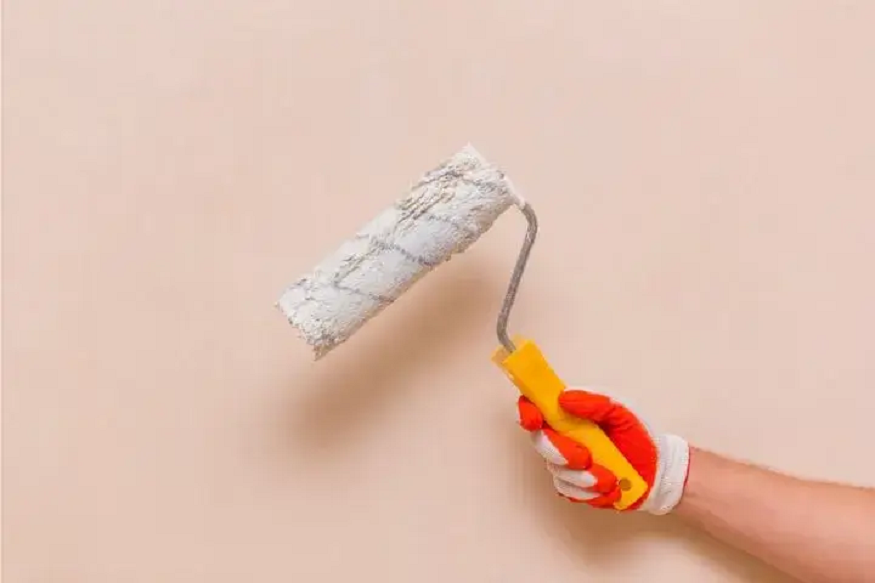
Damp walls are a common problem in many Indian homes, especially during the monsoon season. Moisture entering the walls can cause peeling paint, stains, mould growth, and even structural damage if left untreated. Apart from affecting the appearance of your home, damp walls can also create unhealthy living conditions.
One of the most effective ways to deal with this issue is by using waterproof paint for wall and advanced waterproof coating solutions. These methods help protect walls from moisture and prevent long-term damage. In areas like bathrooms and kitchens where water exposure is high, proper bathroom waterproofing becomes even more important.
What Causes Damp Walls?
Before selecting a waterproofing solution, it is important to understand the common causes of dampness in walls.
In many homes, damp walls occur due to water seepage from terraces, bathrooms, or external walls. Poor drainage systems, cracks in the building structure, and damaged plumbing can also allow water to enter the walls. In older buildings, the absence of proper waterproofing layers often leads to moisture accumulation over time.
Read More: How Hard Water Affects Skin and Hair and How Water Softeners Help
Weather conditions also play a major role. Heavy rainfall and humidity can gradually weaken exterior walls and cause water to seep inside.
Signs of Dampness in Walls
Recognising the early signs of dampness can help prevent bigger problems later. Some common indicators include:
- Peeling or bubbling paint on walls
- Dark patches or stains on ceilings and walls
- Musty smell in rooms
- Growth of mould or fungus
- Cracks or powdery surfaces on plaster
If these issues are ignored, the damage can spread to larger areas of the home.
Using Waterproof Paint for Wall Protection
One of the easiest ways to protect walls from moisture is by applying waterproof paint for wall. This type of paint is specially designed to resist water penetration and prevent dampness.
Waterproof paints create a protective barrier on the surface of the wall. This barrier blocks moisture while still allowing the wall to breathe, which helps maintain a healthy indoor environment.
These paints are commonly used on exterior walls, kitchens, bathrooms, and basements where moisture exposure is higher. Apart from protection, waterproof paints also improve the overall appearance of the walls by providing a smooth and long-lasting finish.
When applied properly, waterproof paint can significantly reduce the chances of damp patches and peeling paint.
Importance of Waterproof Coating
While waterproof paint provides surface protection, a waterproof coating offers deeper and more durable protection against water seepage.
Waterproof coatings are usually applied before the final paint layer. They form a thick protective membrane that prevents water from penetrating the wall surface. These coatings are particularly useful for areas that are constantly exposed to water, such as terraces, bathrooms, and external walls.
Some common waterproof coatings include cement-based coatings, acrylic coatings, and polyurethane coatings. Each type offers different levels of durability and flexibility depending on the application area.
Using a waterproof coating along with waterproof paint ensures stronger protection and increases the lifespan of the wall finish.
Why Bathroom Waterproofing is Essential
Bathrooms are one of the most moisture-prone areas in any house. Continuous exposure to water from showers, taps, and pipes can gradually weaken the walls and flooring.
Without proper bathroom waterproofing, water can seep into adjacent walls and ceilings, causing damage to other rooms as well. Over time, this can lead to cracked tiles, damp patches, and unpleasant odours.
Bathroom waterproofing usually involves applying waterproof coatings on the floor and walls before installing tiles. This process ensures that water does not penetrate the structure of the building.
Proper sealing of joints, pipes, and drainage areas is also an important part of effective bathroom waterproofing.
Tips to Prevent Damp Walls
Apart from using waterproof paint and coatings, homeowners can follow some simple practices to prevent dampness.
Ensure that terraces and roofs have proper drainage systems so that rainwater does not accumulate. Regularly inspect plumbing lines and repair leaks immediately to avoid water seepage.
Good ventilation is also important, especially in bathrooms and kitchens. Proper airflow helps reduce humidity levels inside the house.
Read More: RO Filter Price Guide: What Affects Replacement Costs and How Often Filters Need Changing
Finally, periodic maintenance and repainting with waterproof paint can help maintain strong protection against moisture.
Conclusion
Damp walls can damage both the appearance and structure of a home if not treated in time. Using high-quality waterproof paint for wall, durable waterproof coating, and proper bathroom waterproofing solutions can effectively protect your home from moisture problems.
Investing in the right waterproofing methods not only prevents costly repairs but also ensures a healthier and more comfortable living environment. With proper protection and regular maintenance, you can keep your walls dry, strong, and visually appealing for many years.