How a Houston Concrete Contractor Helps Commercial Properties Manage Repairs, Wear and Long-Term Surface Needs
KEY POINTS:
- Early repairs prevent bigger damage.
- Good drainage protects concrete surfaces.
- High-traffic areas need regular checks.
- Proper planning reduces business disruption.
- Repairs should fix the root cause.
- Maintenance records support better decisions.
- Replacement may be better than repeated repairs.
- Well-kept concrete improves safety and appearance.
Commercial properties need solid, level surfaces every day. Parking lots, loading areas, sidewalks, ramps, curbs, and entrances are constantly stressed by people, vehicles, deliveries, equipment, and changing weather conditions. Over time, safety and appearance can be affected by drainage problems, worn edges, rough patches, and cracks. They may seem at first to be minor problems, but they can become more expensive if they are left too long.
Concrete care is more than simply repairing visible damage. It also includes inspections, surface preparation, drainage inspections, repair planning, and maintenance. Landlords need to know what’s causing the problem and whether a quick fix will do the trick. The good news is that a practical plan can help a business avoid disruption, improve access, and protect property value.
How to Choose the Right Concrete Contractor
A good concrete contractor in Houston should first know the purpose of each part of the property. A loading area has different needs than an office entrance or customer walkway. The repair method will depend on factors including traffic levels, drainage, weather, soil movement, and surface age. A careful inspection can determine if a small repair will suffice, or if a larger section needs to be replaced or supported more strongly underneath.
And experience counts when you have to work outside normal business hours. Contractors might need to work around deliveries, staff movement, customer traffic, and busy operating hours. A good concrete contractor in Houston will tell you which areas will be affected and how long access might be restricted. Clear scheduling lets managers prepare people in advance and keep as much of the property open as possible.
Planning Concrete Repairs for Success
Timely Concrete Repairs in Houston Can Prevent Small Problems from Becoming Big Problems. Cracks that fill with water can expand, and depressions can create tripping hazards or drainage issues. Vehicle movement can also be affected by broken curbs and damaged loading areas. By getting repairs done early, property managers have more control because they can often schedule work before damage spreads to adjacent surfaces, entrances, landscaping, or other parts of the site.
The best concrete repairs in Houston should not only fix visible damage but also address the root cause. If not considered, poor drainage, weak base material, heavy loading, and moisture or ground movement may continue to cause problems. Filling a crack alone may only offer a short-term fix. A proper inspection gives the team an idea of how the damage occurred and allows them to select a repair that fits the site.
Broader Scope of Concrete Services
Commercial properties often require more than one type of surface improvement. Professional concrete services in Houston include sidewalks, slabs, ramps, curbs, loading zones, parking areas, and building approaches. When managers look at the whole property, they can better see what needs immediate attention and what can be planned for. This can help reduce repeat service calls and help easier maintenance manageability across the site.
Well-planned concrete services in Houston can also help different areas work better together. A cracked walkway may be caused by poor drainage from a nearby paved area. Only fixing the crack may not solve the larger problem. Related work can be coordinated to reduce repeated damage and to simplify future maintenance. It can also help businesses plan budgets around groups of repairs instead of dealing with each problem separately.
Control of Wear in High Traffic Areas
Busy commercial spaces wear out faster because they’re always on the move. Hard surfaces are under pressure from delivery trucks, carts, forklifts, employees, and customers. Damage is most frequently first seen in loading zones, ramps, entrances, and service areas. Regular inspections can detect cracks, chips, broken edges, settling, or worn areas before they become significant enough to affect safety or daily accessibility.
Property managers should also keep an eye on water flow over these areas. Standing water can erode surfaces, stain, and eventually cause cracking. Poor drainage can also impact nearby walls, landscaping, or entryways. By monitoring surface condition and water flow, managers can make more informed repair decisions and reduce the chances of repeat problems after the work is completed.
Reducing Disruption during Surface Work
Commercial repairs need to be scheduled carefully as most businesses cannot afford to be closed for long periods of time. Contractors will need to make decisions about what areas can remain open, what areas need barriers, and how people or vehicles will safely move around the site. Noise tasks can generally be arranged for a quieter time. Clear signage, temporary routes, and early notification let staff, customers, and delivery teams know what to expect.
There will also be curing time to factor into the plan. Newly installed material may need time to set up before it can support foot traffic, cars, carts or heavy equipment. An area opened too early can damage the surface and reduce the value of the repair. Property managers benefit from clear instructions about reopening times, access limits, and any care needed during the first few days.
Building a Long-Term Surface Plan
Reactive repairs can be expensive when the same issues keep recurring. A better way is to keep records of inspections, repair dates, photos, drainage problems, and past advice. These records help managers spot patterns and decide whether another repair makes sense or whether replacement may offer better long-term value. Good history also helps with future budgeting as future needs become more predictable.
Routine preventive care may include checking cracks, joints, edges, drainage paths, ramps, loading areas, and other busy areas. Smaller repairs are generally easier to schedule and often cause less disruption than larger replacements. A long-term plan can also cluster related work together, which can reduce repeated closures and make the property easier to maintain.
When Repair Isn’t Enough
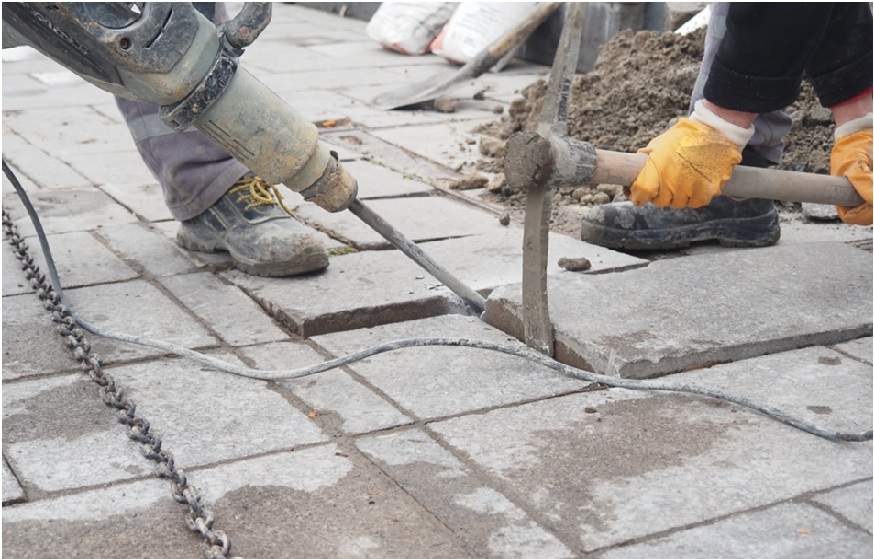
Not every damaged area should be repaired time and again. If the section continues to sink, crack, or fail after repairs, the problem may be deeper. Quick fixes don’t work as well when there’s weak base material, poor drainage, soil movement, or repeated heavy loads. It may be better value to remove and rebuild the damaged section rather than pay for another temporary repair in this case.
What to do? Well, property managers should compare repair history, safety concerns, future traffic, and long-term property plans. When a business is expanding or renovating, it may be easier to do larger concrete work at the same time. This way you won’t be finishing one area and then messing it up again during another project.
Safety and customer experience protection
Damaged concrete can affect more than maintenance costs. Uneven walkways, broken curbs, sunken sections, and rough edges can make it harder for customers, employees, and delivery teams to move around safely. These conditions can affect carts, wheelchairs, strollers, and service equipment as well. Maintaining surfaces well will improve the flow of traffic and will add to a more organized property.
Appearance is important, especially near entrances, restaurants, offices, and anywhere customers are present. A building in good condition can still look neglected if the surfaces are cracked or worn down. Fixing any visible damage can improve the overall appearance and safety. This is particularly important for companies that rely on customer trust and ease of access.
Conclusion
Commercial concrete is most successful when there is a clear plan for inspections, drainage, repairs, scheduling, and maintenance. Taking early action can reduce safety risks, limit wider damage and make future costs easier to manage. If managers know how each area is used and how damage has appeared, they will be able to make better repair choices.
ProTech Facility Services provides concrete work, repairs, paving, construction and wider facility improvements for commercial properties. Their team is dedicated to practical planning, reliable workmanship and straightforward communication. “They assist businesses with surface repairs and property enhancements with little interruption to normal activities.
Frequently Asked Questions
Question: What are the signs that commercial concrete needs attention?
Answer: Common signs include cracks, broken edges, rough spots, standing water, surface wear, and settlement. These issues should be checked early on as they may affect safety, drainage, and day-to-day access.
Question: How often do commercial concrete areas need to be checked?
Answer: Commercial areas should be checked several times a year and after severe weather, heavy impact, or drainage problems. High traffic areas such as ramps, entrances, and loading zones may require frequent checks.
Question: Can you do concrete work while the business is still operational?
Answer: Yes, in many cases. Much of the work can be done in phases, using temporary routes and barriers to access the rest of the facility. How this is done exactly depends on the size of the repair and the time it takes to cure.
Question: When should one repair by replacement?
Answer: Replacement could be more logical if the same area keeps failing, large areas have settled, or the base has weakened. Base your decision on the repair history, future use, and long-term cost.
Question: Why is drainage important in commercial concrete?
Answer: Poor drainage can cause water to pool around concrete, which could result in cracking, staining, erosion, or settlement. Good drainage helps protect repaired areas and can minimize future maintenance problems.