RO Filter Price Guide: What Affects Replacement Costs and How Often Filters Need Changing
Having an RO water purifier has become a household essential in many Indian homes, especially where water quality varies by source and season. While most buyers focus on the upfront cost of the water purifier, long-term maintenance plays an equally important role. Understanding RO filter price helps households plan better, avoid sudden expenses, and ensure uninterrupted access to safe drinking water.
Understanding RO Filters and Why They Matter
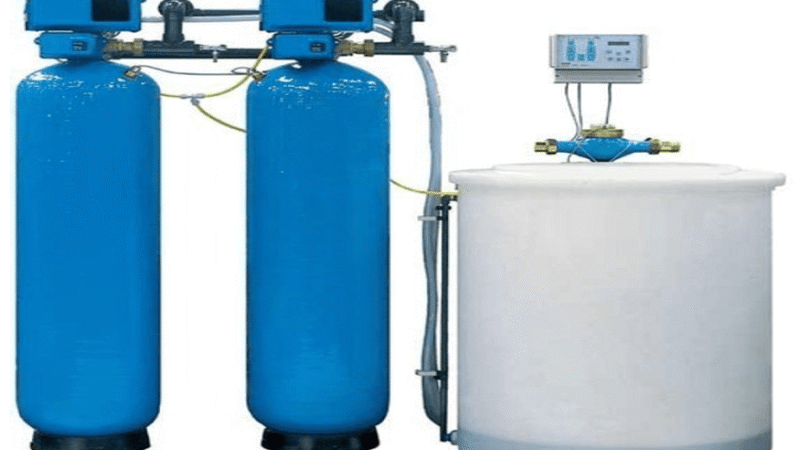
RO water purifiers work through a multi-stage filtration process. Each filter performs a specific role, starting with removing visible dirt and ending with reducing dissolved impurities. The sediment filter traps dust, sand, and rust. The carbon filter reduces chlorine, odour, and organic contaminants. The RO membrane then removes dissolved salts, heavy metals, and chemical impurities. Some systems also include a mineral filter to improve taste and restore essential minerals like copper and zinc.
As each filter handles a different type of impurity, they wear out at different rates. Replacing them on time is critical to maintaining water quality and protecting the water purifier’s internal components.
How Often Do RO Filters Need Replacement?
Filter replacement frequency depends largely on water quality and daily usage. In most homes, sediment and carbon filters typically need replacement every 6 to 12 months. These filters handle the bulk of dirt and chemicals and tend to clog faster.
The RO membrane has a longer lifespan, usually between 18 and 24 months, but this can be reduced significantly if pre-filters are not replaced on time. Mineral or post-carbon filters are generally replaced once a year to maintain taste and balance. Ignoring these timelines often leads to reduced water flow, poor taste, and higher maintenance costs later.
What Affects RO Filter Price?
Several factors influence RO filter price, and understanding them helps explain why costs vary from home to home. The quality of incoming water is the biggest factor. Borewell or tanker water with high TDS and chemical content causes filters to degrade faster than treated municipal water.
Daily water consumption also matters. A household that uses large quantities of purified water will reach filter replacement limits sooner. The number of filtration stages and the quality of filter materials further affect pricing. Certified, high-grade filters may cost more initially, but they usually last longer and protect the RO membrane better, reducing long-term water filter price impact.
The Cost of Delaying Filter Replacement
Postponing filter changes may seem like a way to save money, but it often does the opposite. Clogged filters force the RO membrane to work harder, increasing wear and the risk of failure. Water quality can deteriorate without obvious signs, exposing households to unsafe drinking water. Over time, delayed maintenance leads to higher repair costs and more frequent component replacements.
How to Manage Filter Costs Wisely
The best way to control water purifier expenses is through preventive maintenance. Following recommended replacement schedules, monitoring changes in taste or flow rate, and budgeting annually for filter changes help avoid surprises. Choosing systems with service alerts or maintenance indicators also simplifies upkeep and keeps long-term costs predictable.
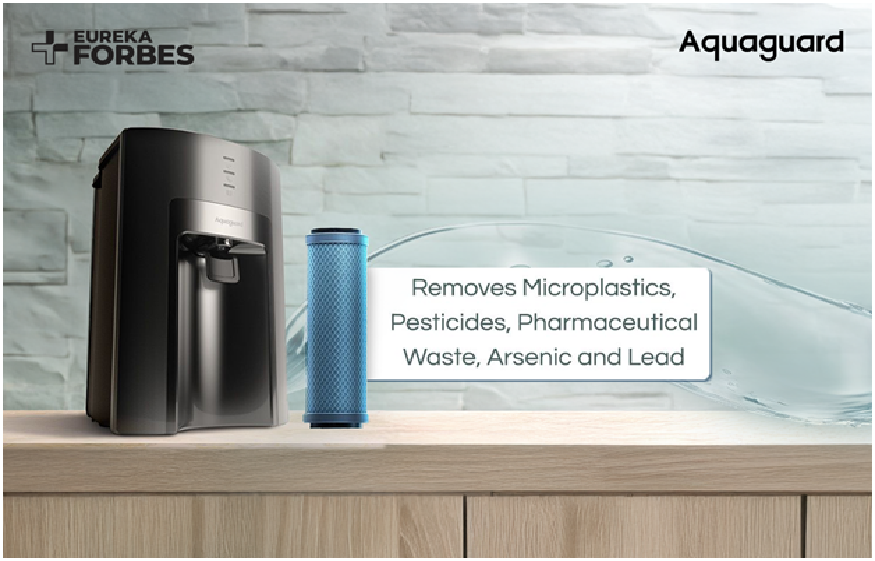
When you choose a water purifier from a reputed brand like Aquaguard, you invest in a system designed for durability, performance, and long filter life. These water purifiers use high-quality filters that are built to last, helping reduce frequent replacements and maintain consistent water quality.
That said, like all filtration systems, filters do require regular care and timely replacement to function effectively. Aquaguard water purifiers are equipped with reliable, well-engineered filters that balance longevity with efficiency, offering dependable purification at a reasonable cost while ensuring long-term value for your home
Final Thoughts
Understanding regular filter replacement cycles and the factors affecting RO filter price allows people to make informed decisions and maintain consistent water quality. Regular maintenance protects both health and the purifier itself, making it a practical long-term investment. For homeowners looking for structured service support and dependable purification solutions, brands like Eureka Forbes offer systems designed to simplify maintenance while delivering reliable drinking water every day.