High Mountain Adventure: Gokyo Valley and Everest Base Camp Trek:
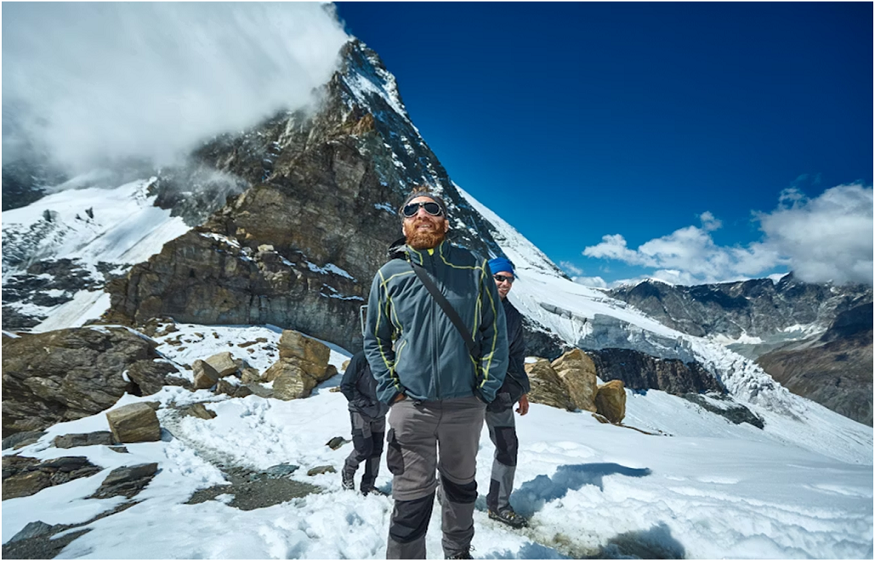
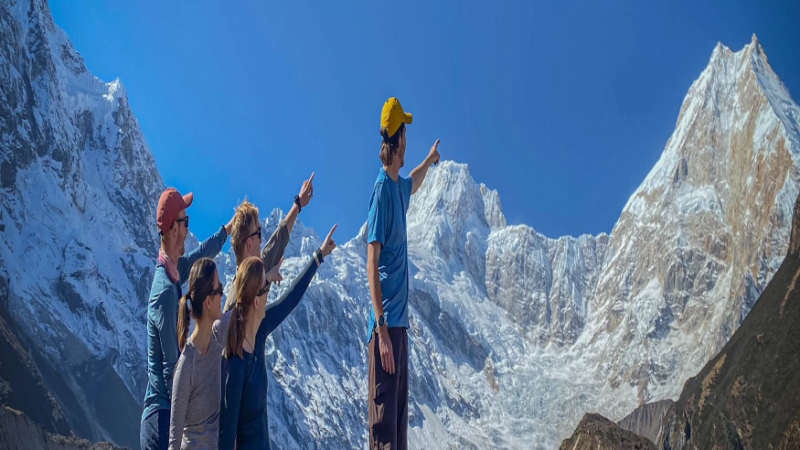
Everest is a dream of many people, and trekking there is like touching the sky. High mountain adventure is always different; it gives thrills, excitement, cold, wind, snow, and sun. The Gokyo Valley and Everest Base Camp Trek is one of the best ways to see the Himalaya, big peaks, glaciers, rivers, and very beautiful lakes. People come from many countries to see snow mountains, ice, blue lakes, and high passes. Some do the Everest Base Camp Trek in 12 days, some in 14 days, some take longer, like the Everest 3 High Pass Trek, and some just do the Gokyo Lake Trek. Every trek gives different views, but all are very beautiful. Trails are hard, sometimes very steep, but nature is rewarding. Small villages, yak caravans, mani walls, and Buddhist prayer flags all make the trek magical. You feel peace, adventure, and sometimes challenge. High passes make treks thrilling, and pristine lakes give calm and beauty. This trek is for those who want mountains, adventure, culture, nature, and photo memories. The Gokyo Valley and Everest Base Camp Trek is a perfect combination of adventure, culture, and high Himalayan scenery.
Everest Base Camp Trek 12 Days
Everest Base Camp Trek 12 days is a shorter trek but full of adventure. Starting from Lukla, the trail goes to Phakding, Namche Bazaar, Tengboche, Dingboche, and Lobuche. Small teahouses, hot food, cold weather. The trail has forests, rivers, rocky paths, and villages. You meet sherpas, yaks, and travelers. Every day the mountain changes. You can see Everest, Lhotse, and Nuptse from the trail. The trail is sometimes very hard, but day by day my body adapts. You reach Everest Base Camp, take photos, and see Khumbu Icefall. Feeling is a mix of happiness, relief, and excitement. Some trekkers come back the same way; some go to Gokyo Valley to see lakes.
Everest Base Camp Trek 14 Days
Everest Base Camp Trek 14 days is longer, slower, and better acclimatization. You walk more, stop more, and enjoy more villages. The trail is the same as Lukla, Phakding, Namche Bazaar, Tengboche, Dingboche, Lobuche, Gorak Shep, and Everest Base Camp. You stay one night at Gorak Shep, early morning climb Kala Patthar. The view from Kala Patthar is amazing, with mountains, glaciers, sunsets, and sunrises. Longer treks reduce altitude sickness risk. Tea houses are simple but warm. You meet many trekkers, guides, and porters. Some days are hard, some easy. Trek is a mix of adventure, challenge, beauty, and culture.
Gokyo Lake Trek
Gokyo Lake Trek is different, quiet, and less crowded. Blue lakes, turquoise water, reflection of mountains, very calm. Gokyo Ri gives the best view of Everest, Cho Oyu, and Makalu. Trails cross glaciers, ice, snow, and small bridges sometimes. Villages are small, with fewer tourists and more local culture. Yaks carry loads, many walls in every village. The lakes are beautiful and peaceful. The trek is shorter than the high pass trek but still gives adventure. Some trekkers combine it with the Everest Base Camp Trek 12 days to see lakes and EBC together.
Gokyo Valley Trek
The Gokyo Valley Trek is a bigger area, with multiple lakes, glaciers, and mountains. The trail starts from Lukla or joins the Everest Base Camp route. You walk 7–10 days to explore the valley and see Thonak Lake, Dudh Pokhari, and Ngozumpa Glacier. Villages like Gokyo and Dragnag give a cultural feeling. Less crowd, more nature. The view from Gokyo Ri is unforgettable. You see mountains in 360 degrees. The valley is a mix of rocks, snow, green patches, rivers, and ice streams. The trek is moderate to hard; the body adapts slowly. Best for photographers, nature lovers, and adventure seekers.
Everest 3 High Pass Trek
Everest 3 High pass Trek is tough, long, and very challenging. Three passes are Cho La, Renjo La, and Kongma La. You cross glaciers, snow, ice, and steep paths. The trail is hard, high altitude, thin air, cold, and windy. But the views are amazing. You see Gokyo Valley, Ngozumpa Glacier, Everest, Lhotse, Cho Oyu, and Makalu. The trail combines the Everest Base Camp Trek and the Gokyo Valley Trek. Some trekkers take 18–21 days to complete it. Feeling is a mix of fear, excitement, and happiness. Every pass is an achievement. You meet a few trekkers, mostly guides and porters. Tea houses are basic, and food is hot and simple. Adventure is big; reward is bigger.
High Passes and Pristine Lakes
High passes make the trek thrilling. Cho La passes steep snow and ice. Renjo La pass gives a view of Gokyo Valley from the top. Kongma La pass is long and tiring, but the glacier and mountain view is rewarding. Pristine lakes like Gokyo, Thonak, and Dudh Pokhari give peace, reflection of peaks, and calm water. You sit near lakes, feel the wind, and have a cold, calm mind. Lakes are blue, sometimes turquoise, surrounded by snow. You see mountains in lakes, photo memories forever. High passes and lakes together make the trek magical, a mix of adventure and beauty.
Culture and Local Experience
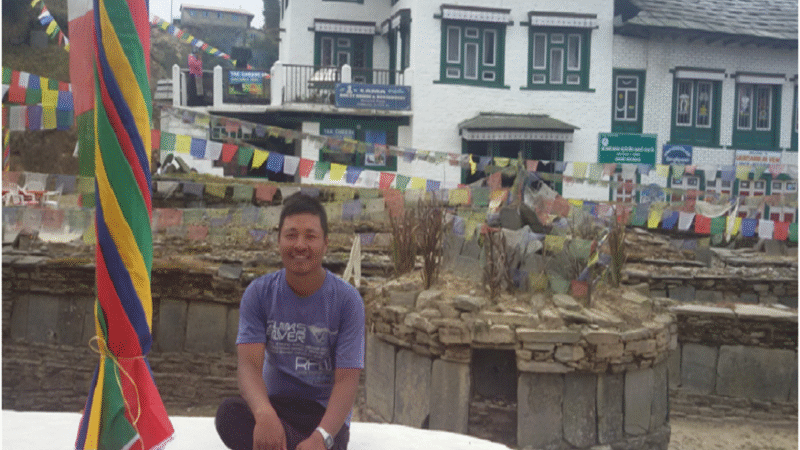
Along the trail, sherpa villages, mani walls, monasteries, and prayer flags. Tengboche monastery: biggest, prayer time, incense, monks. Namche Bazaar is a cultural hub with shops, cafes, trekking gear, and a local market. Local food like dal bhat, momo, noodles, and tea. People are friendly, smile, and talk about mountains. Festivals, local stories, and culture give a feeling of Himalayan life. A trek is not only about nature but also a cultural journey.
Trail and Scenery
The trail is a mix of forests, rhododendron, rocks, glaciers, and rivers. Bridges cross rivers, sometimes scary with strong wind. Mountains change every day. Some days snow, some sunny. Clouds, sun, moon, and stars are all visible. At night there is a clear sky, stars, and the Milky Way. The trail is a mix of easy walking and tough climbing. You feel tired, but beauty makes you walk more. Trails in Gokyo Valley are quiet, Everest Base Camp is busy, and the three high passes are lonely but amazing.
Accommodation and Food
Tea houses are basic, small rooms with shared bathrooms. Bed warm with blankets, heater sometimes. The food is simple but enough: dal bhat, noodles, soup, tea, coffee, and porridge. Some trekkers bring energy bars and dry food. Water boiled, filtered, and safe. Electricity is limited, and solar is common. Charging devices needs a fee. Wi-Fi is sometimes available but slow. Accommodation is simple, but nature compensates for everything.
Best Time for Trek
September to November is best. Clear sky, snow on peaks, moderate temperature. March to May is also good; rhododendrons bloom, and views are clear. Winter is very cold, January–February, and some passes are blocked. Monsoon (June–August) is not recommended due to rain, clouds, and slippery trails. Best season for photos, clear sky, high passes visible.
Preparation and Equipment
Trek needs preparation. Strong shoes, warm clothes, a sleeping bag, trekking poles, gloves, and a hat. Layering clothes is important. Sunglasses, sunscreen, lip balm, and a water bottle. Small first aid, altitude medicine. Camera for memories. Physical preparation is important, including cardio, walking, and stair climbing. Trekking is hard; the body needs strength. Mental preparation also needed patience, adaptability, and a calm mind.
Combining Treks
Many trekkers combine Gokyo Valley and Everest Base Camp. 12 days, or 14 days + High Pass Trek. The combination gives lakes, mountains, glaciers, high passes, and Everest views. Some take longer, 18–21 days to complete Gokyo, EBC, and 3 High Passes. Each combination gives a different adventure level. Short trek easier, long trek challenging. Trekkers choose based on fitness, time, and adventure level.
Tips for Trekkers
- Start from Lukla early.
- Walk slowly and acclimatize.
- Carry water and snacks.
- Respect local culture.
- Wear layers, and the temperature changes fast.
- Listen to guides; altitude sickness is serious.
- Take photos; enjoy every moment.
- Stay healthy; eat proper food.
- Pack light; every kg matters.
- Enjoy the journey, not just the destination.
Conclusion
The Gokyo Valley and Everest Base Camp Trek is a dream of many. Adventure, culture, lakes, glaciers, high passes, and mountains, all together. The Everest Base Camp Trek (12 days), the Everest Base Camp Trek (14 days), the Gokyo Lake Trek, the Gokyo Valley Trek, and the Everest 3 High Pass Trek all give different but amazing experiences. High passes are thrilling, pristine lakes are peaceful, and local culture is warm. Trek is a challenge, reward, and memory forever. Anyone who wants adventure, nature, and Himalayan magic must try this trek. You walk, climb, see, feel, and breathe the Himalaya. High mountain adventures are unforgettable, lifetime memories, photos, and soul experiences.